


BLACKPIQ / POST-QUANTUM IPsec

Post-quantum IPsec.
Locked to the port.

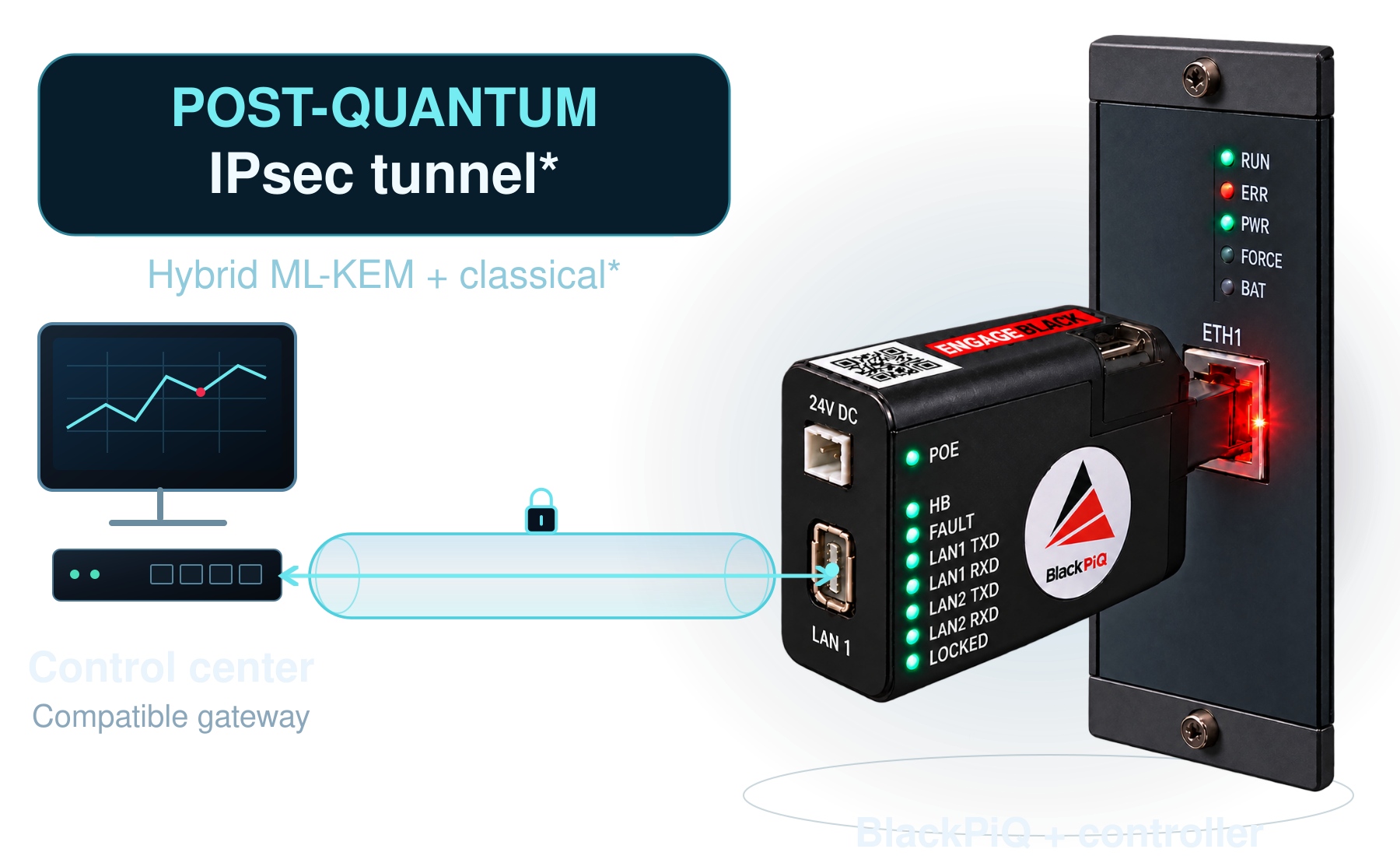
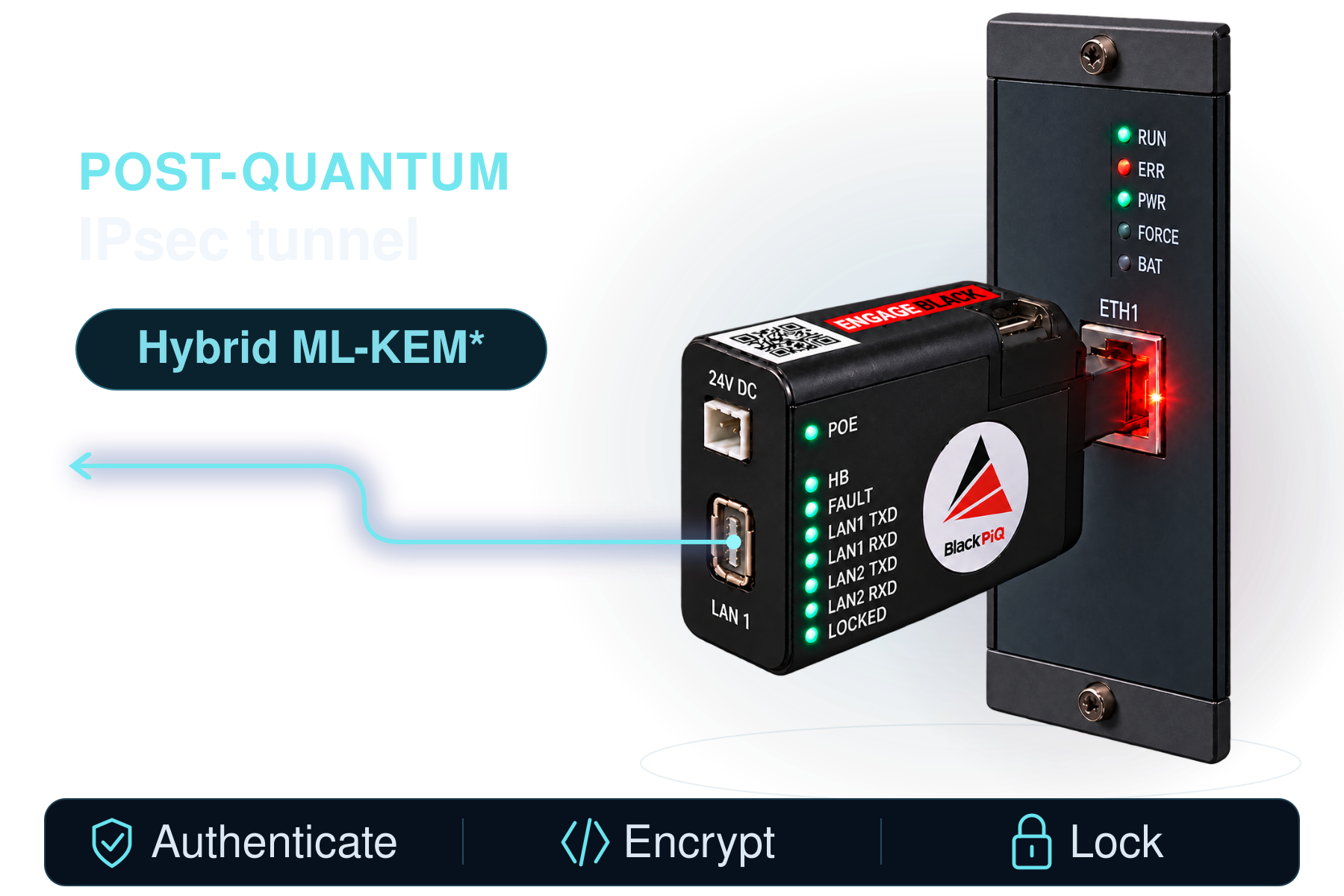
Protect industrial Ethernet with a post-quantum IPsec tunnel using optional hybrid ML-KEM key establishment, plus physical locking at the controller.
Hybrid ML-KEM / Encrypted IPsec / Port locking
*Optional hybrid ML-KEM-768/1024 in Standard Mode. Both endpoints must support and enable the selected profile.
The supplied BlackPiQ product photo shows the device physically secured to the controller. A highlighted post-quantum IPsec tunnel connects a compatible control-center gateway to BlackPiQ, with optional hybrid ML-KEM and classical key establishment.
BLACKEDGE / SECURE REMOTE CONSOLE ACCESS

Remote access.
Physical control.

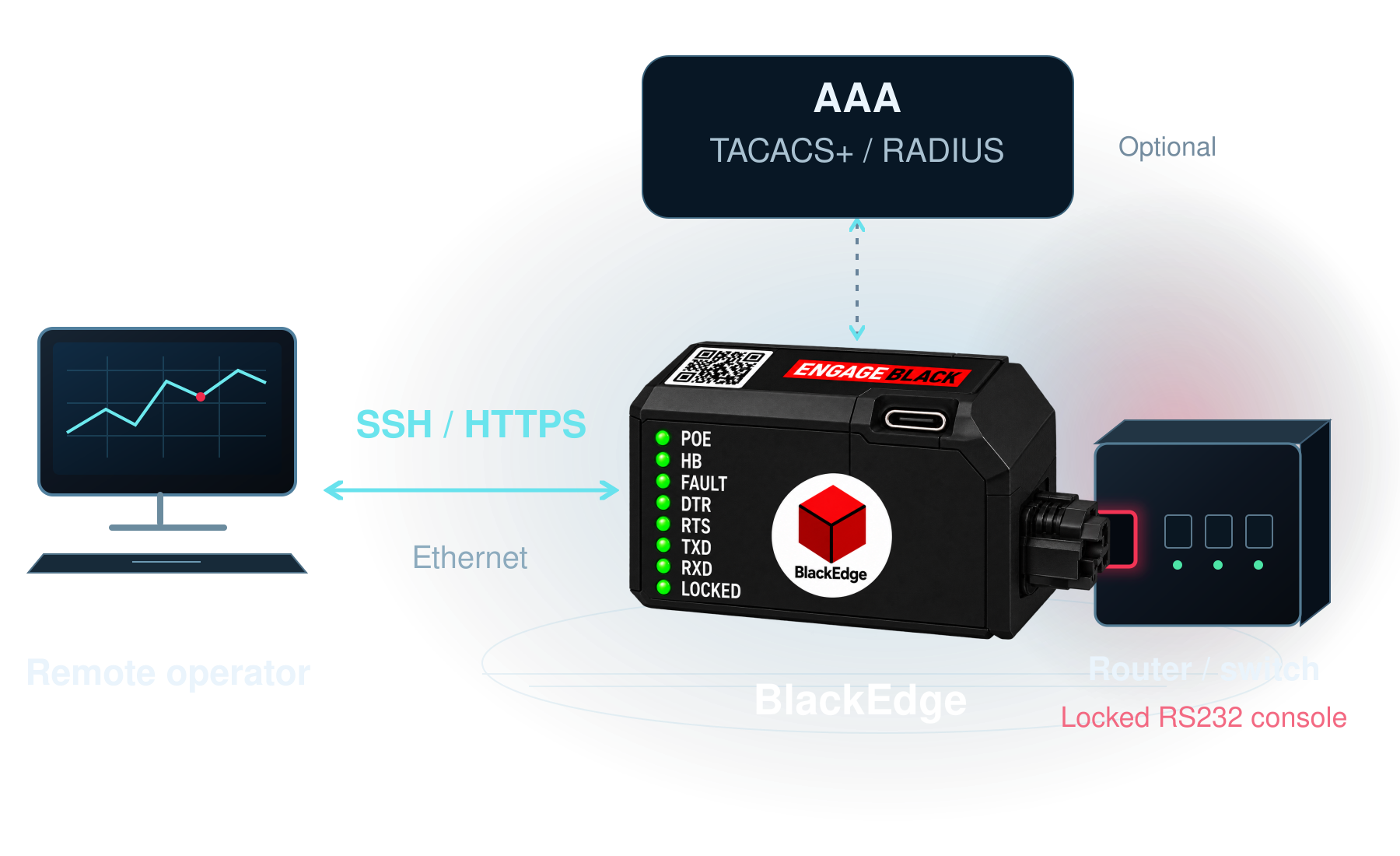
Connect authorized operators to critical RS232 consoles with SSH or HTTPS, strong authentication and physical port security.
SSH & HTTPS / MFA & AAA / Tamper alerts
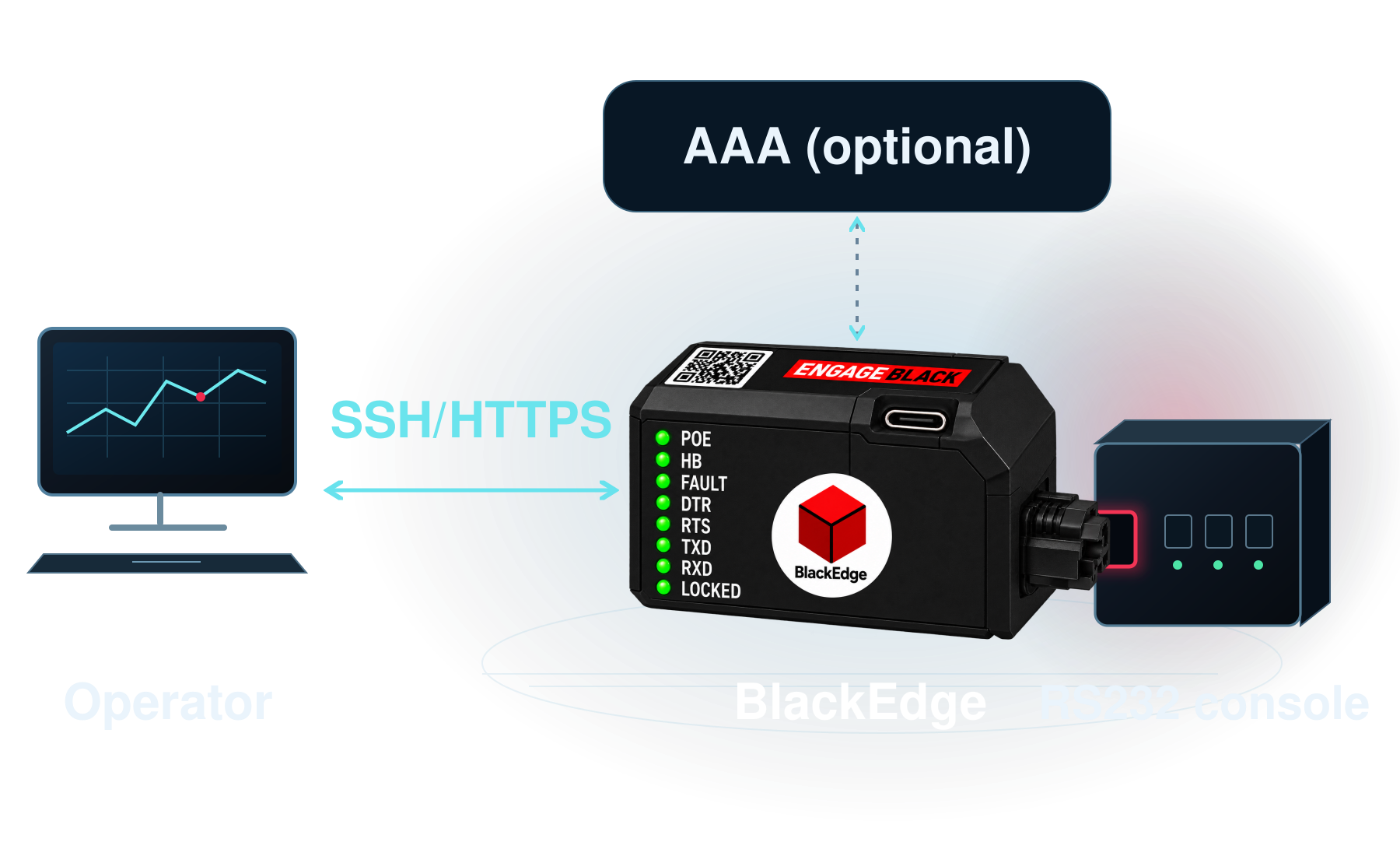
Simplified BlackEdge diagram: remote operator connects by SSH or HTTPS over Ethernet to BlackEdge, physically locked to a router or switch RS232 console. Optional TACACS+ or RADIUS AAA is a separate side connection.
BLACKVAULT HSMs / HARDWARE KEY PROTECTION

Protect the keys.
Keep control.

Generate, safeguard and manage cryptographic keys in protected hardware for enterprise applications and critical infrastructure.
Key generation / Tamper response / Access control
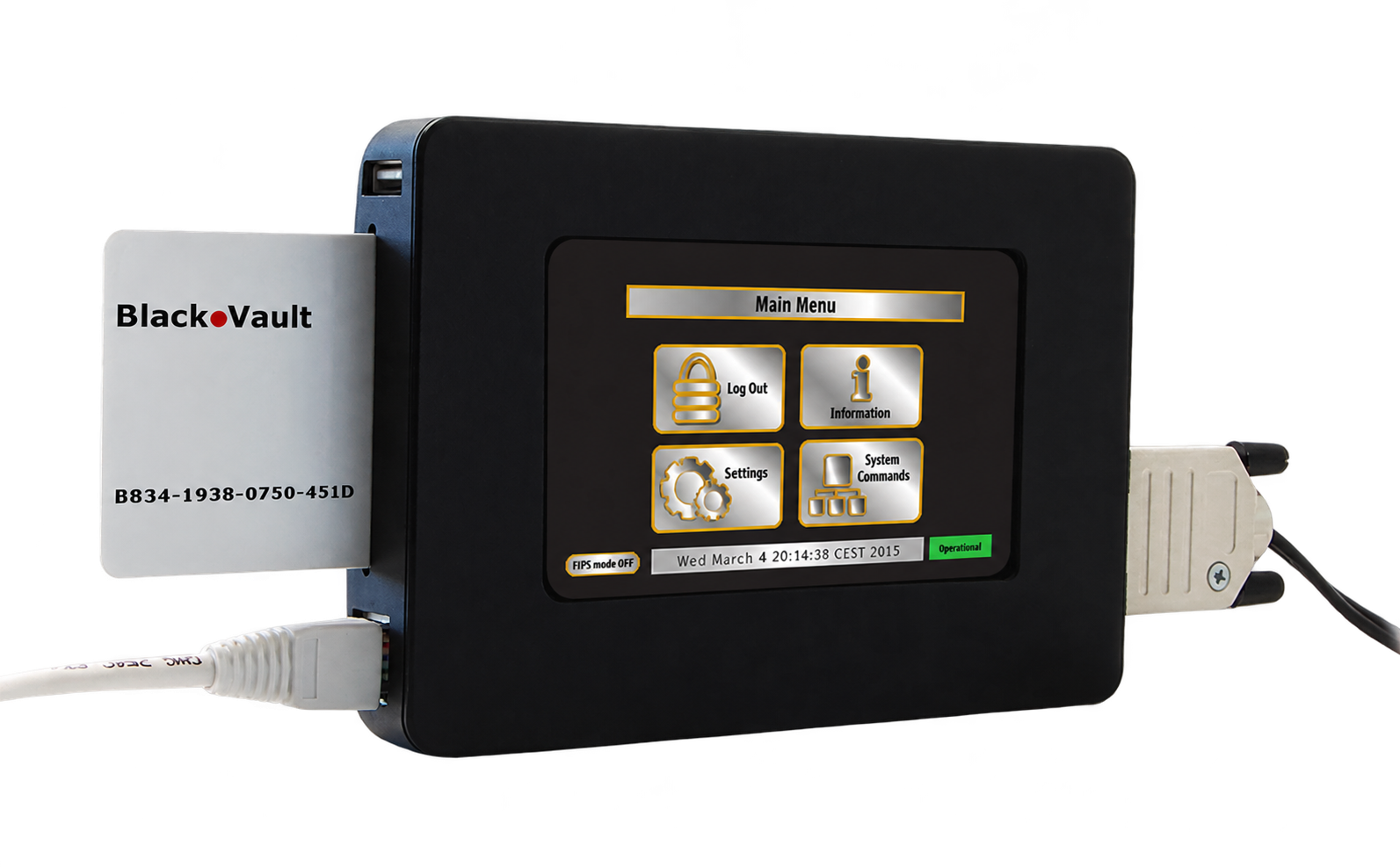
BlackVault HSM touchscreen model with inserted smart card, shown as the example for the BlackVault HSM family.
BLACKVAULT TOUCHSCREEN
HSM / HSM.TAC / HSM.RAS
BLACKSER AES / SERIAL DATA ENCRYPTION

Encrypt serial data.
Protect operations.

Add AES-256 protection to existing RS232 communications serving RTUs, PLCs, meters and protective relays.
RS232 / Modbus · DNP · IEC101 / Inline encryption
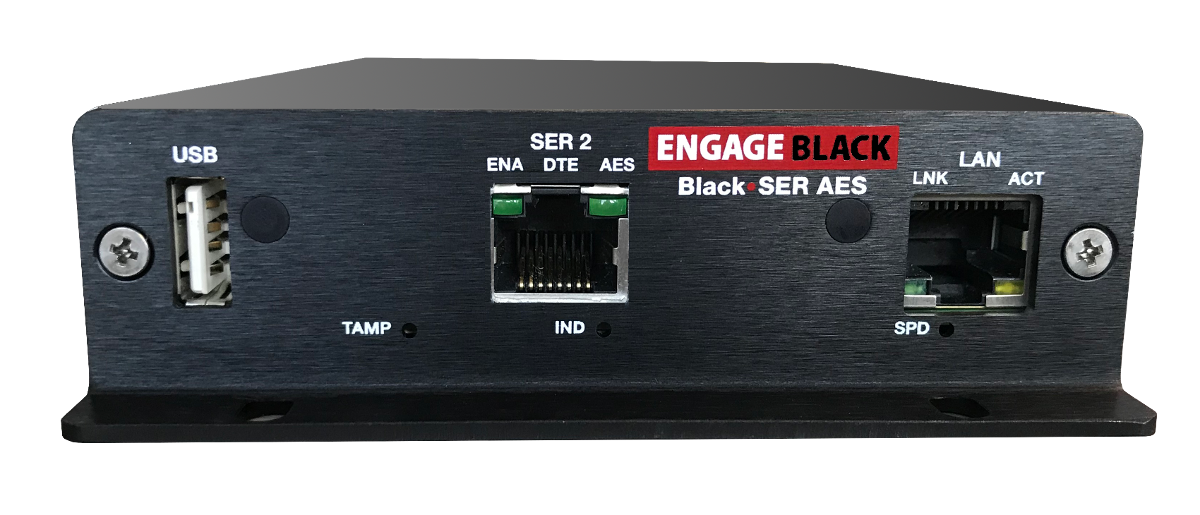
BlackSER AES inline RS232 serial data encryptor, front view.
AES-256
SERIAL DATA PROTECTION
RS232
EXISTING SERIAL ASSETS
INDUSTRIAL CONTROL SYSTEM PROTECTION

Critical control.
Post-quantum IPsec.

Protect PLCs, RTUs and IEDs with an optional hybrid post-quantum IPsec tunnel, physically locked to the industrial controller by BlackPiQ.
Hybrid ML-KEM / PLCs · RTUs · IEDs / Port locking
*Optional hybrid ML-KEM-768/1024 in Standard Mode. Both endpoints must support and enable the selected profile.
The supplied BlackPiQ and controller photo with a highlighted post-quantum IPsec tunnel terminating at BlackPiQ and physical protection at the controller Ethernet port. Hybrid ML-KEM key establishment is optional and requires a compatible configuration at both endpoints.
previous arrowprevious arrow
next arrownext arrow
PlayPause
Slider

Do you Trust your Software? Code Signing Technology Can Help

Engage Software Security

Can you trust everything that is on the Internet? Are you apprehensive about downloading new applications?  We all know someone who has been bit by malicious code. We also know the damage to a company’s reputation when it is reportedly their code that was infiltrated.

The ability of users to trust code that is published on the Internet is a major challenge facing the software industry. Large organizations deploying business applications must decide what software to trust. Building this trust requires a sure way through which users can verify the identity of a code publisher and verify that the code has not been changed since its release.

Code Signing is a technology that can significantly reduce the level of risk and minimize user exposure to malicious code. It identifies the publisher of signed software and verifies that it has not been tampered with before users download software to their PCs. As a result, end users can make a more informed decision as to whether to download code.

Most code signing applications store the signing key within the server that is performing the code signing function. Even if it is stored encrypted, it must be unencrypted within memory for a period of time. Protecting keys within Hardware Security Modules (HSM) provides physical and logical barriers to attack that do not exist with a software-only security solution. The keys never exist in an unencrypted form outside the HSM and all operations with the keys occur within the HSM.
BlackVault CA Pic 3x5 96dpi

The BlackVault CYNR is an appliance specifically designed for code and document signing.  

It is a self-contained device integrated directly with a HSM along with built-in controls including a touch screen display and smart card reader for administration and operation of the unit. 

The BlackVault CYNR can be readily configured to require a quorum of trusted individuals with unique ‘M of N’ 2-factor authentication smart cards to be present to authorize signing of code or documents. The signing keys never appear in the clear outside of the tamper-resistant module.  The device also includes a USB port that is used to provide the code modules that are to be signed.  External software libraries are not required for signing so the solution is not dependent upon OS platform integrations.

Is it time to step up the security of your code signing practices?  Engage Black is here to help!


Engage logo 990000 rev 2.000
9565 Soquel Drive Dr,
Aptos, CA 95003
 
Telephone: +1-831-688-1021
Toll Free : +1-877-ENGAGE4
​Designed, Fabricated, and Assembled
in America icon
Supported Worldwide

© 1989-2025 Engage Communication, Inc. All Rights Reserved.